
How to Sell Sports Cards: The Complete Guide to Maximizing Value
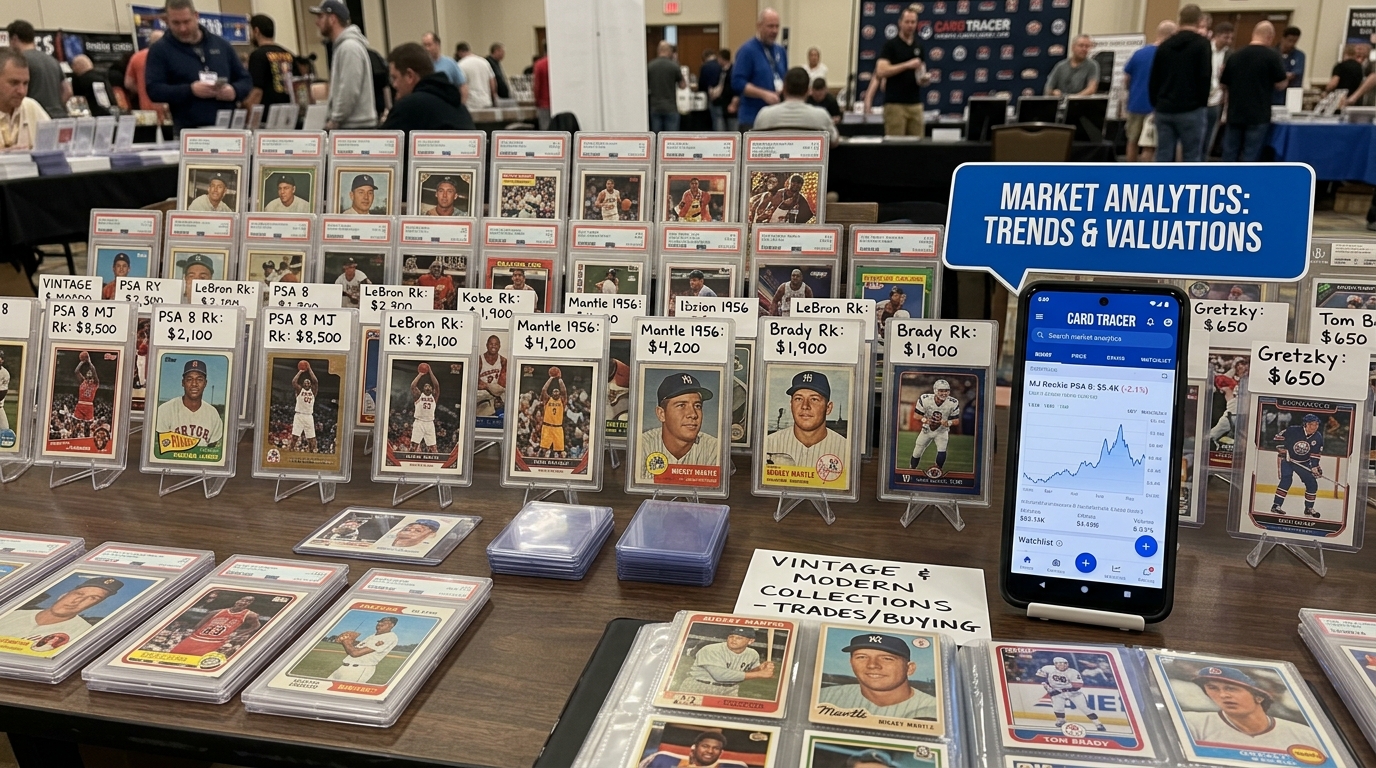
If you are looking to learn how to sell sports cards for maximum profit, understanding current market valuations, card condition, grading options, and marketplace dynamics is essential for every collector and investor. The hobby of collecting baseball, basketball, football, and hockey cards has transformed into a multi-billion dollar secondary market. Whether you inherited an attic box of vintage 1970s Topps baseball cards, pulled a rare patch-autograph rookie card from a modern Panini Prizm pack, or built a curated portfolio of graded slabs, liquidating your collection for top dollar requires a strategic approach.
Navigating sales platforms, avoiding excessive seller fees, protecting yourself from buyer fraud, and accurately pricing raw vs. graded inventory can make a massive difference in your final net return. In this comprehensive guide, we will break down the step-by-step framework for turning your sports cards into liquid cash while avoiding common collector mistakes.
Key Takeaway: Successfully selling sports cards requires three steps: accurate condition assessment, researching verified recent sales comps, and choosing the right channel (eBay, COMC, consignment, or card shows) based on your card’s value tier.
1. Preparing Your Sports Cards for Sale
Before listing a single card online or bringing your collection to a local card shop, thorough preparation is critical. Selling ungraded, dirty, or improperly packaged cards often leads to lowball offers and missed profit potential.
Evaluating Condition & Surface Quality
Condition is the single most important factor in determining a card’s secondary market value. Even slight defects can cause a card to lose up to 80% of its potential price. Before presenting cards to buyers, inspect each item under strong LED lighting and magnification:
- Centering: Measure the top-to-bottom and left-to-right border alignment. Well-centered cards command a significant premium over off-center examples.
- Corners: Check for micro-whitening, rounding, or soft paper layers at all four corners.
- Edges: Look for chipping along foil edges, border flaking, or rough factory cuts.
- Surface: Examine the card under angled light for print lines, surface scratches, dimples, or fingerprint smudges.
Clean micro-dust and fingerprints off glossy modern cards using a soft microfiber cloth. Never attempt to chemically clean vintage paper stock, as doing so can damage the card and render it altered. Understanding your card’s baseline condition allows you to price accurately and build trust with prospective buyers. If you need help evaluating physical wear, review our guide on ai card grading for modern automated condition analysis.
Raw vs. Graded Sports Cards
One of the biggest decisions sellers face is whether to sell cards “raw” (ungraded) or submit them to professional authentication and grading services like PSA (Professional Sports Authenticator), BGS (Beckett Grading Services), or SGC (Sportscard Guaranty Corporation).
- High-Value Modern Rookies & Vintage Stars: Cards worth $100+ raw often justify the cost and turnaround time of professional grading. A PSA 10 Gem Mint grade can multiplier a card’s value by 3x to 10x compared to its raw counterpart. You can review our detailed breakdown on how to grade sports cards to calculate submission profitability.
- Mid-to-Low Tier Cards (<$50): Grading fees ranging from $15 to $25 per card often eat up all profit margins for mid-tier cards. These items are best sold raw in singles, small player lots, or bulk team sets.
Authentication & Spotting Counterfeits
With high-value vintage cards (such as 1986 Fleer Michael Jordan, 1952 Topps Mickey Mantle, or 1993 SP Derek Jeter) and modern ultra-rare autographs, buyers demand proof of authenticity. Counterfeits and re-printed cards are prevalent in online marketplaces. Familiarize yourself with print dot patterns under a loupe, card stock thickness, and real vs. fake holograms. To safeguard your reputation and listings, review our guide on how to spot fake sports cards before listing suspected high-ticket items.
2. Choosing the Best Sales Platforms
Not all sales venues are created equal. The right platform depends on your sales urgency, willingness to handle shipping and customer service, and the total market value of your collection.
Online Marketplaces (eBay, COMC, MySlabs)
- eBay: The largest global marketplace for trading cards. eBay offers the highest liquidity and total buyer audience. However, sellers must manage listing creation, photography, customer support, and standard seller fees of ~13.25% plus payment processing. For raw cards under $20, eBay’s Standard Envelope service provides tracked shipping for under $1.
- COMC (Check Out My Cards): An ideal platform for selling large volumes of low-to-mid-value sports cards ($1 to $50). You send your cards in bulk to COMC’s warehouse, where they photograph, inventory, store, and fulfill orders for you. This eliminates the burden of individual packing and shipping.
- MySlabs: A peer-to-peer marketplace dedicated exclusively to graded slabs and sealed wax boxes. MySlabs charges a ultra-low seller fee of only 1%, making it popular for high-end collectors moving graded inventory.
Auction Houses (Goldin, Heritage, PWCC)
For ultra-high-value sports cards worth $2,500 to $100,000+, premier consignment auction houses like Goldin Auctions, Heritage Auctions, and PWCC Marketplace provide specialized marketing, white-glove vault storage, and access to elite institutional investors. Consigning high-end pieces through top auction houses ensures maximum exposure while relieving you of fraud risks associated with online payment disputes.
Local Card Shows, LCS & Direct Sales
If you prefer immediate cash without shipping hassle or digital platform commissions:
- Local Card Shops (LCS): Local dealers typically offer 50% to 70% of recent market comps for raw inventory and 70% to 85% for high-demand graded slabs, allowing them margin to resell.
- Regional Card Shows: Bringing a trade night case or table setup to a card show allows you to deal directly with fellow collectors, negotiate cash sales, or execute card-plus-cash trades.
If you are expanding your portfolio beyond sports cards into trading card games, see our companion guide on how to sell pokemon cards for TCG-specific venue recommendations.
3. Pricing & Valuation Strategies
Pricing your cards accurately is the backbone of a successful selling strategy. Overpricing leads to stagnant inventory, while underpricing leaves hard-earned money on the table.
Researching Recent Sold Comps
Never rely on active listing asking prices (e.g., eBay Buy-It-Now prices), as sellers can ask any price they wish. Always analyze actual completed, paid transaction data:
- eBay Sold / Completed Items: Filter search results by “Sold Items” to see actual recent settlement prices.
- CardMint & Price Tracking Tools: Utilize real-time sports card value aggregators that track historical sales trends across multiple auction platforms.
- Grade-Specific Adjustments: Compare PSA 9 comps to PSA 9 sales, and raw comps to raw sales. Never assume a raw card will fetch PSA 10 pricing.
To stay updated on pricing across football, baseball, and basketball categories, check our guides on calculating sports card value and discovering most valuable baseball cards.
Setting Reserve Prices & Fixed Price Listings
- Buy It Now (Fixed Price) with Best Offer: Recommended for 90% of sports card sales. Setting a fair fixed price with “Best Offer” enabled allows buyers to negotiate while keeping you in full control of the final price.
- 7-Day Auctions (Starting at $0.99): Best used for hot, newly released rookie cards during opening week or high-demand liquid liquidity items. Avoid running auctions for niche or obscure cards, as low bidder turnouts can result in cards selling far below market value.
Timing the Market for Peak Demand
Sports card prices are highly cyclical and correlate with real-world sports seasons:
- Baseball Cards: Peak prices occur during Spring Training (March/April) and the October Postseason.
- Football Cards: Price momentum starts during August Preseason hype and runs through the Super Bowl in February. For player insights, read our overview on valuable football cards.
- Basketball Cards: Demand spikes around NBA Tip-off in October and during the NBA Playoffs in May/June. Review market highlights in our article on most valuable basketball cards.
Selling a star player’s cards immediately after a breakout game or award announcement can yield a 20% to 50% price surge compared to off-season lulls.
4. Packaging, Shipping & Insurance Best Practices
Securing high feedback ratings and avoiding buyer refund disputes depends on your ability to pack cards safely so they arrive in flawless condition.
Safe Packing Materials & Toploaders
When shipping raw cards, use the “cardboard sandwich” method:
- Place the raw card inside a clean penny sleeve.
- Insert the sleeved card into a rigid, clean toploader or semi-rigid saver.
- Place a small piece of painter’s tape across the top opening to prevent the card from slipping out. (Never use scotch tape or duct tape).
- Sandwich the toploader between two pieces of corrugated cardboard secured with rubber bands or painter’s tape.
- Insert the wrapped package into a padded bubble mailer.
Shipping High-Value Graded Cards
For graded slabs worth $250 or more:
- Wrap the plastic slab in bubble wrap.
- Ship inside a sturdy cardboard box rather than a soft bubble envelope to prevent slab cracking or scratching during transit.
- Always purchase full shipping insurance and require Signature Confirmation upon delivery for items valued over $750 to fulfill seller protection policies on major platforms.
Frequently Asked Questions
What is the best place to sell sports cards online?
The best place depends on card value and quantity. For high-volume low-cost cards, COMC is best. For general single cards, eBay provides the highest buyer traffic and liquidity. For graded cards valued over $250, low-fee platforms like MySlabs or dedicated auction houses (Goldin, PWCC) yield high net returns.
Should I grade my sports cards before selling them?
You should grade your sports cards if they are in near-mint to gem-mint condition and worth $100+ once graded. If the estimated graded value minus grading fees ($15–$25+) and shipping costs is significantly higher than the raw card market price, grading is worthwhile.
How do I accurately price my raw baseball, basketball, or football cards?
Price raw sports cards by searching eBay “Sold Items” for the exact same card in raw condition, or using card pricing tools like CardMint. Examine centering, corners, and surface under bright light to compare your card’s condition with recently sold raw comps.
What fees should I expect when selling sports cards on consignment?
Consignment fees typically range from 5% to 15% of the final sale price, depending on the item’s overall value. Higher-value cards (over $1,000) often qualify for lower commission tiers or zero-fee seller structures, as auction houses earn their margin through buyer premiums.
Pre-Grade & Track Values Instantly with CardMint
CardMint is the ultimate all-in-one scanner for sports card and TCG collectors, saving you time and money.
Simply scan the front of your card. Our AI instantly identifies the card details, checks current pricing metrics, and gives you a centering and wear pre-grade report before you submit to PSA/BGS.
