
Pokemon Price Checker Guide: Value & Track Your TCG Cards
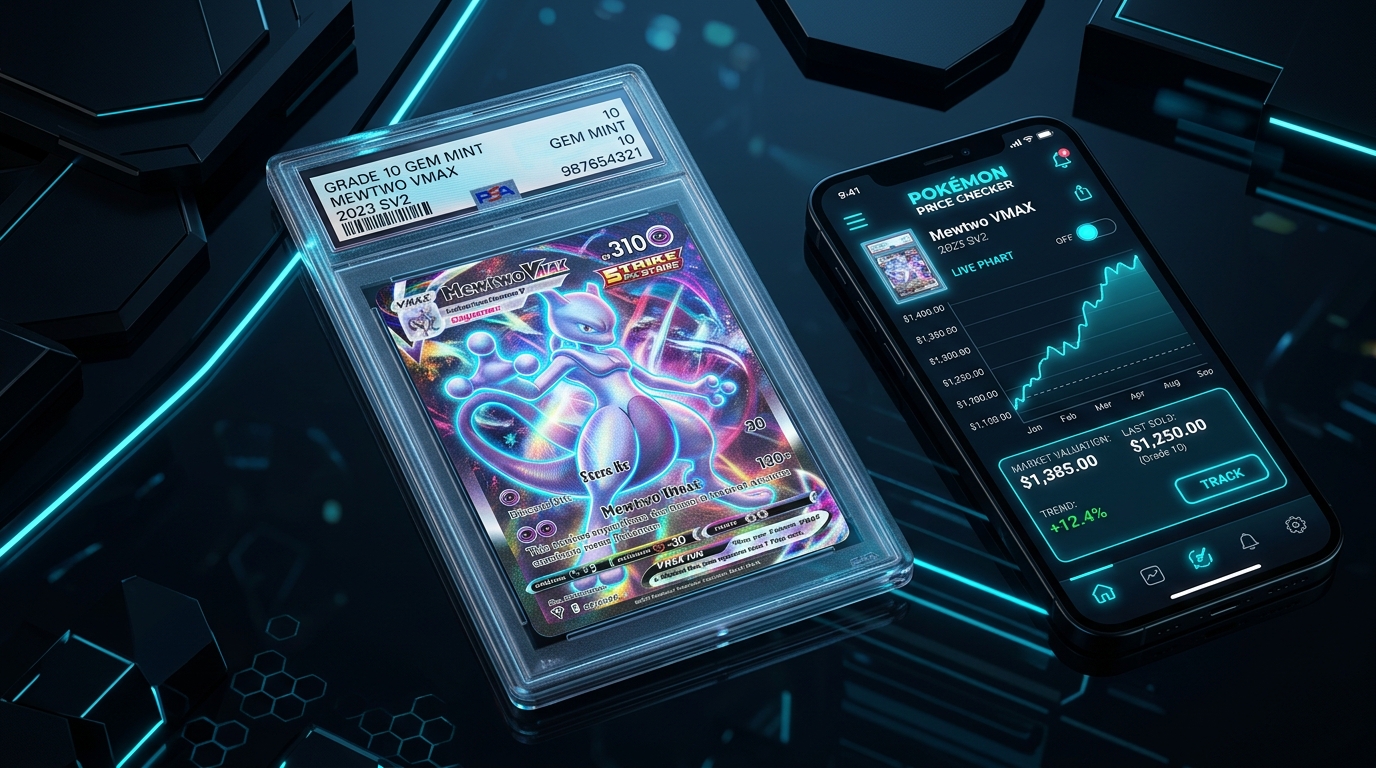
Whether you are a casual fan sorting through old binder pages or a high-end collector investing in vintage holographic gems, using a reliable pokemon price checker is the best way to determine the true market value of your collection. Over the past several years, the Trading Card Game (TCG) market has experienced unprecedented growth. Vintage cards from the 1999 Base Set, such as the legendary holographic Charizard, have commanded hundreds of thousands of dollars at auction, while modern special illustration rare cards can fetch hundreds of dollars within days of their release.
However, the rapid influx of new collectors, speculative investors, and counterfeit cards has made pricing complex. To navigate this landscape safely, you need to understand how to read card details, utilize digital valuation software, and track market sales correctly. In this detailed guide, we will cover everything you need to know about checking card prices, identifying card attributes, and preserving your collection for maximum value.
Why Every Collector Needs a Pokemon Price Checker
In the early days of collecting, pricing was largely determined by printed monthly price guide magazines. Today, trading card values change on a second-by-second basis across global online marketplaces, making static guides obsolete.
The Volatility of the TCG Market
The prices of Pokemon cards are highly dynamic. A card’s value can spike or drop overnight due to several factors, including:
- Competitive Play viability: If a card becomes a crucial part of a championship-winning deck in the Pokemon TCG competitive scene, demand spikes from players, driving the price upward.
- Collector demand and hype: Influencer openings, anniversary events, and social media trends can trigger waves of nostalgic buying, driving up the value of specific sets or characters.
- Reprint announcements: If the Pokemon Company announces that a hard-to-find card will be reprinted in an upcoming set, the market supply increases, often causing the price of the original card to decrease.
Without a modern digital price checker, you run the risk of buying cards at peak hype or selling valuable items for a fraction of their true worth.
Protecting Yourself Against Scams and Bad Deals
The rise in card values has unfortunately attracted bad actors. Counterfeit cards are increasingly common on peer-to-peer marketplaces like eBay, Facebook Marketplace, and local flea markets. Knowing the market value of a card acts as a shield; if someone is offering a card worth $500 for only $50, it is a major red flag that the card is likely fake or stolen.
For an extensive review of how to identify counterfeits, refer to our collector’s guide on how to spot fake sports cards, which covers many of the paper and print quality indicators that also apply to TCG card stock.
How to Read Your Pokemon Cards for Accurate Pricing
Before you can type a card’s name into a valuation tool, you must know how to identify its specific set print and variation. A single Pokemon character (like Pikachu) has hundreds of different cards printed across various sets, and their values range from pennies to thousands of dollars.
Spotting the Card Set Symbol and Number
To identify a card accurately, look for the following details:
- The Set Symbol: Located in the bottom-left or bottom-right corner of modern cards (and on the right side of the card art on vintage cards). This small icon indicates the specific expansion set (e.g., Base Set, Jungle, Sword & Shield, Scarlet & Violet).
- The Card Number: Printed as a fraction, such as
049/189or151/165. This represents the card’s sequence within the set. - The Rarity Icon: A small symbol next to the card number. A circle indicates a common card, a diamond is uncommon, and a star represents a rare card. Modern sets also feature double stars, shiny stars, or gold symbols for ultra-rare and secret-rare cards.
Identifying Card Rarities: Holographic, Ultra Rare, and Secret Rare
The style of foil on a card drastically changes its value:
- Holographic (Holo): Only the character artwork box has a shiny foil finish.
- Reverse Holographic (Reverse Holo): The entire card border and text box are shiny, but the artwork box is plain.
- Ultra Rare / Secret Rare: Full-art cards where the illustration covers the entire card surface, often featuring textured patterns. Secret rares have numbers higher than the official set limit (e.g.,
168/165).
Understanding card variants is essential to avoid pricing errors. For example, as detailed in our guide on pokemon card worth, a standard non-holo version of a card might be worth $1, while the holographic first-edition print of the same card can be worth thousands.
The Importance of Card Edition (First Edition vs. Unlimited)
For vintage Pokemon cards, the edition classification is the single most critical factor in driving up price differences. There are three main classifications of vintage prints:
- First Edition: These cards feature a small “1st Edition” circular stamp on the left side of the card, just below the artwork frame. They represent the first print run of a set and are the most valuable.
- Shadowless: Specific to the early Base Set, these cards do not have the drop shadow effect on the right border of the artwork frame. They also feature thinner text for the HP value and are highly coveted by collectors due to their clean look and limited supply.
- Unlimited: The standard print runs that followed the initial releases. These do not have a 1st Edition stamp and do have the artwork frame drop shadow.
To illustrate, a 1st Edition Shadowless Charizard graded PSA 10 has sold for over $420,000, whereas an Unlimited Charizard in the same grade sells for roughly $8,000 to $10,000. When using a pokemon price checker, failing to identify whether your vintage card is 1st Edition, Shadowless, or Unlimited will result in vastly inaccurate valuations.
Assessing Condition and the Role of Professional Grading
The physical condition of a card determines its final sale value. Creases, scratches, bent corners, or edge whitening from play wear can decrease a card’s value by 90%.
Collectors use professional grading companies like PSA, SGC, or BGS to certify the condition of their cards. A card is graded on a scale from 1 (Poor) to 10 (Gem Mint). Graded cards are encapsulated in hard plastic slabs, which preserve their condition and make them highly liquid assets.
If you are planning to submit cards for grading, check our article on ai card grading to understand how computerized scanning tools check card quality. Once graded, protect your slabs and raw cards by following the storage methods in our guide on how to store baseball cards to prevent scratching and moisture damage.
The Best Online Tools and Mobile Apps for Price Checking
Once you have identified your card’s set and condition, you can use digital resources to retrieve its current valuation.
Digital Scanners and Mobile Apps
Modern mobile apps have revolutionized card identification. By utilizing your smartphone’s camera, these apps can scan a card, identify the character and set automatically, and pull real-time pricing data.
For sports card and TCG collectors, CardMint offers a high-performance mobile app with an integrated scanner that identifies cards instantly. It provides:
- Estimated raw and graded values.
- Historical price charts showing trends over time.
- Collection tracking to monitor the total value of your binder portfolios.
Online TCG Marketplaces and Historical Sales
If you prefer checking prices on a computer, several platforms provide official market averages:
- TCGPlayer: The gold standard for English Pokemon cards. The “Market Price” listed on TCGPlayer is calculated from actual transactions and is used by game shops worldwide.
- Cardmarket: The primary marketplace for European collectors, offering detailed pricing based on language and location.
- eBay Sold Listings: The ultimate resource for high-end and vintage cards. Since raw and graded cards sell daily at auction, filtering by “Sold Items” on eBay reveals the exact price buyers are currently willing to pay.
Understanding these pricing mechanisms is the first step toward building a profitable collection. When you are ready to monetize your cards, read our comprehensive guide on how to sell pokemon cards to learn where to list your items and how to ship them safely. For broader card pricing insights, you can also explore our general guide on sports card value to learn how to price sports cards for selling.
Frequently Asked Questions (FAQ)
How do I check the value of my Pokemon cards?
To check the value of your Pokemon cards, identify the name, set symbol, and card number. Search for these details on TCGPlayer, or filter by “Sold” listings on eBay to see recent transaction prices. You can also scan your cards with the CardMint app for an instant valuation.
What is the most accurate Pokemon price checker?
For raw English cards, TCGPlayer’s Market Price is the most accurate and widely accepted industry standard. For vintage, rare, and professionally graded cards, eBay’s recently completed “Sold” listings provide the most accurate real-time market data.
Are graded Pokemon cards worth more?
Yes, professionally graded Pokemon cards (PSA, SGC, BGS) are generally worth significantly more than raw, ungraded copies. Grading guarantees the card’s authenticity and locks in its condition rating. A high grade, such as a PSA 10, can increase a card’s value by hundreds or thousands of dollars.
How can I spot a fake Pokemon card?
You can spot fake Pokemon cards by checking the font style, spelling, back colors, and card texture. Genuine ultra-rare modern cards have a diagonal fingerprint-like texture, whereas fakes are often completely smooth and have a cheap, glossy look.
Pre-Grade & Track Values Instantly with CardMint
CardMint is the ultimate all-in-one scanner for sports card and TCG collectors, saving you time and money.
Simply scan the front of your card. Our AI instantly identifies the card details, checks current pricing metrics, and gives you a centering and wear pre-grade report before you submit to PSA/BGS.
