
PSA vs BGS: Ultimate Trading Card Grading Comparison Guide
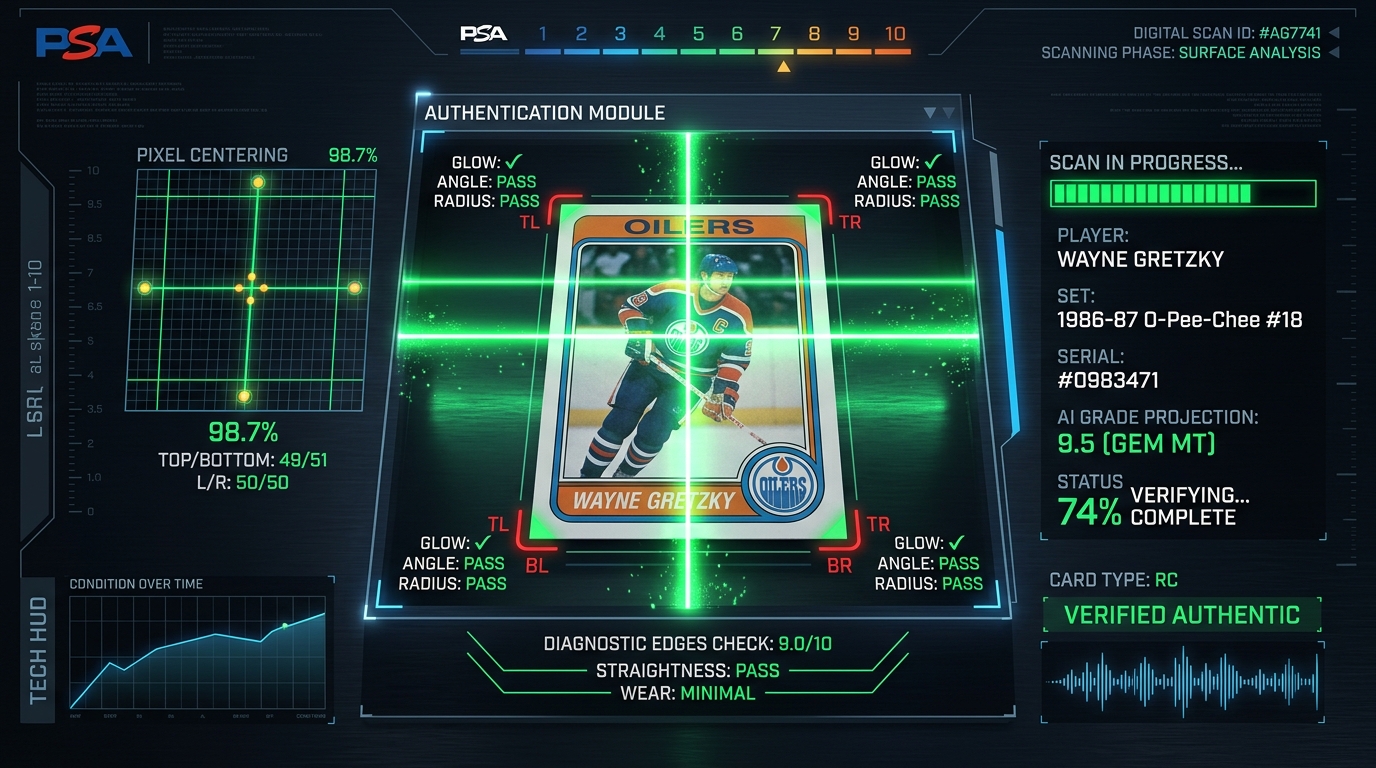
Our definitive guide to psa vs bgs compares grading standards, turnaround times, subgrade options, pricing tiers, and market resale value for collectors of sports cards and Pokémon TCG. Whether you are submitting a rare vintage baseball rookie, a modern NBA refractor, or a high-end Pokémon card, selecting the right grading company can drastically influence both the physical presentation and the eventual market liquidation price of your collection. In the modern trading card industry, two names stand far above the rest: Professional Sports Authenticator (PSA) and Beckett Grading Services (BGS). While both companies provide third-party authentication, grading, and protective encapsulation, their criteria, grading scales, holder designs, and market perceptions differ significantly.
Understanding the nuances between these two grading giants allows collectors and investors to maximize their return on investment (ROI). Before shipping off your prized collection, it is vital to learn how each grading service evaluates centering, corners, edges, and surface condition, as well as how buyers value PSA slabs versus BGS slabs across different sports and TCG categories.
Key Takeaway: PSA holds the dominant market liquidity share and higher overall prices for PSA 10 Gem Mint cards, whereas BGS offers detailed subgrades, superior slab protection, and the coveted BGS 10 Black Label—the highest prestige grade in card collecting.
Overview of PSA and BGS
To understand the core debate surrounding psa vs bgs, collectors must look at the history, reputation, and core philosophies of both grading companies.
Professional Sports Authenticator (PSA)
Founded in 1991, Professional Sports Authenticator (PSA) is the largest and most widely recognized third-party card grading and authentication service in the world. Headquartered in Santa Ana, California, PSA pioneered the 1-to-10 numerical grading scale that has become the universal benchmark across the hobby. Over the past three decades, PSA has graded over 75 million cards, collectibles, and autographs.
PSA is renowned for its standard-setting population report (Pop Report), which provides complete transparency regarding how many copies of a specific card exist in every grade. The PSA slab features a red-and-white border label with a tamper-evident holographic seal, enclosed in a slim, lightweight plastic holder. In market liquidations, PSA 10 Gem Mint grades consistently command the highest premium and highest volume sales in online auctions and hobby conventions.
Beckett Grading Services (BGS)
Launched in 1999 as a division of Beckett Media, Beckett Grading Services (BGS) entered the market to offer a more detailed, scientific approach to card grading. While PSA relies on a single composite grade, BGS introduced half-point grades (e.g., 8.5, 9.5) and four distinct subgrades: Centering, Corners, Edges, and Surface.
BGS slabs are famously sturdy, constructed from thick, premium UV-resistant plastic with an inner archival sleeve that holds the card tightly in place. BGS labels are color-coded based on the grade tier: silver labels for grades 8.5 to 9.0, gold labels for grades 9.5 Gem Mint and 10 Pristine, and the legendary metallic Black Label for a flawless 10 with four perfect 10 subgrades. For collectors who value physical slab defense and granular condition metrics, BGS remains a top choice.
Key Differences: PSA vs BGS Comparison Breakdown
When evaluating psa vs bgs, collectors must analyze five primary factors: grading scale precision, subgrades, turnaround efficiency, slab construction, and fee structures. Before submitting high-value items, smart collectors often use AI card grading tools to pre-screen their cards for centering and surface flaws.
1. Grading Scale and Strictness
Both PSA and BGS evaluate cards on a 1-to-10 numerical scale, but their definition of a “perfect” card differs significantly:
- PSA 10 Gem Mint: PSA’s highest standard grade. A PSA 10 allows up to 60/40 centering on the front and 75/25 on the back, provided the card exhibits sharp corners, full original gloss, and zero noticeable defects. PSA does not issue a standard 10 Pristine or Black Label (though PSA 10 is considered top-tier).
- BGS 9.5 Gem Mint: Historically, a BGS 9.5 was Beckett’s equivalent to a Gem Mint grade. To achieve a BGS 9.5, a card must receive at least three subgrades of 9.5 or higher.
- BGS 10 Pristine: Requires three subgrades of 10 and one subgrade of 9.5. A BGS 10 Pristine frequently sells for a substantial premium over a standard PSA 10.
- BGS 10 Black Label: The ultimate unicorn in card collecting. A card must achieve a perfect 10.0 in all four subgrade categories: Centering (50/50), Corners, Edges, and Surface. A Black Label card can command 3x to 10x the price of a standard PSA 10.
If you are trying to determine your card’s worth or evaluate condition thresholds, understanding these grading scale differences is critical.
2. Subgrades and Technical Breakdown
Subgrades represent one of the biggest differentiators between the two grading services.
BGS prints four subgrades directly on the front of the gold, silver, or black label:
- Centering: Evaluates left-to-right and top-to-bottom alignment using digital ratios.
- Corners: Inspects sharpness, paper fiber separation, and corner whitening under 10x magnification.
- Edges: Checks for factory chipping, rough cuts, and edge dings.
- Surface: Scans for print lines, scratches, foil scratches, and surface dimples.
PSA, by contrast, does not offer subgrades on standard submissions. A PSA grade is a single composite score. While this creates a cleaner label and faster review process, it offers less visibility into why a card received a 9 instead of a 10. For intricate cards like modern chromium refractors or foil-heavy Pokémon cards, subgrades help buyers see exact strengths and weaknesses.
3. Turnaround Times and Pricing Tiers
Both PSA and BGS structure their pricing based on declared card value and desired turnaround speed:
- PSA Tiers: Ranging from Value/Bulk ($15–$25 per card, 30–60 business days) up to Premium/Super Express ($300–$600+ per card, 3–5 business days). PSA requires membership subscriptions for access to bulk pricing tiers.
- BGS Tiers: Ranging from Economy/Collector Special ($18–$30 per card without subgrades, 45–60 days) to Premium Express ($150–$250 per card with subgrades, 2–5 days). Adding subgrades to BGS submissions typically adds $5 to $10 per card.
For bulk collectors looking to turn over lower-value modern cards, PSA’s bulk specials frequently offer better economic efficiency and liquid secondary market demand.
4. Slab Aesthetics and Protective Construction
The physical slab is the permanent home of your graded card, making construction quality a major point of discussion:
- PSA Slabs: Slim, lightweight, and stackable. PSA slabs fit easily into standard slab storage boxes and display cases. However, cards inside PSA slabs can occasionally move slightly inside the plastic capsule if not fitted with custom sleeves (though modern PSA slabs feature improved internal recessed wells).
- BGS Slabs: Thicker, heavier, and noticeably sturdier. BGS encases every card in a penny-sleeve-like archival inner sleeve before sonic sealing. This eliminates all card movement inside the holder and offers superior protection against impact, moisture, and UV light.
If durability and display weight are your primary goals, BGS provides an ultra-premium physical feel.
Market Resale Value & Collector Demand
A central consideration in psa vs bgs is secondary market realization. How much more money will a card bring when graded by PSA compared to BGS?
Modern Sports Cards (Baseball, Basketball, Football)
For modern sports cards produced from 2000 to the present—such as Panini Prizm basketball, Topps Chrome baseball, and Panini National Treasures football—PSA 10 Gem Mint cards generally command a 15% to 30% price premium over BGS 9.5 Gem Mint cards.
Because collectors prefer the clear benchmark of a PSA 10, liquidity is significantly higher for PSA. Buyers looking for valuable rookie cards will find thousands of active PSA listings with high bidding activity. However, if a modern card earns a BGS 10 Pristine or BGS 10 Black Label, its value will skyrocket well past the PSA 10 benchmark.
Pokémon TCG and TCG Cards
Pokémon TCG collectors heavily favor PSA for standard set cards, full-art secret rares, and vintage 1st Edition Base Set cards. When reviewing the most valuable Pokémon cards, PSA 10s hold the gold standard for set registry collectors who compete to build complete graded sets on PSA’s registry platform.
That said, high-end Pokémon collectors hunting for absolute perfection aggressively target BGS 10 Black Labels for iconic cards like Charizard, Pikachu, and Illustrator promos. A BGS Black Label 1st Edition Charizard is considered one of the holy grails of pop culture collecting.
Vintage Cards (Pre-1980 Sports Cards)
In vintage sports cards—such as 1952 Topps Mickey Mantle baseball or 1986 Fleer Michael Jordan basketball—PSA dominates the market almost completely. PSA’s history with vintage card authentication, combined with their half-point grading scale for vintage items, gives collectors maximum confidence against trimming and alteration.
If you are learning how to grade sports cards for vintage collections, PSA is virtually always the recommended destination.
Summary Comparison Matrix
| Feature / Criteria | Professional Sports Authenticator (PSA) | Beckett Grading Services (BGS) |
|---|---|---|
| Highest Grade | PSA 10 Gem Mint | BGS 10 Black Label (Flawless) |
| Subgrades Offered | No (Single Composite Score) | Yes (4 Subgrades: Centering, Corners, Edges, Surface) |
| Market Liquidity | Highest market volume & demand | Moderate volume, high demand for BGS 10s |
| Resale Premium (Gem Mint) | High (PSA 10 > BGS 9.5) | Massive for BGS 10 Pristine & Black Label |
| Slab Design | Thin, light, red/white header | Thick, sturdy, gold/silver/black header |
| Vintage Dominance | Industry Standard (Pre-1980) | Lower vintage market share |
| Inner Card Protection | Direct recessed well | Archival inner sleeve enclosure |
How Pre-Grading Prepares Your Submissions
Whether you ultimately choose PSA or BGS, submitting raw cards blindly can lead to disappointing grades and wasted grading fees. Grading fees can range from $15 to over $100 per card, meaning a card returning as a PSA 7 or BGS 8 might lose money compared to selling it raw.
Avoiding Submission Pitfalls
- Measure Centering First: Use digital centering tools or high-resolution photo scans to verify that your front centering is at least 55/45 for BGS or 60/40 for PSA.
- Inspect Surface Under Angled LED Light: Microscopic hairline scratches on chrome or foil surfaces are the #1 reason cards miss out on Gem Mint 10 grades.
- Clean Your Cards Properly: Use microfiber cloths to gently wipe away fingerprints, dust, and wax residue before placing cards into clean penny sleeves and semi-rigid card savers.
By utilizing modern AI diagnostic tools and following strict submission prep, collectors can ensure their cards achieve the highest possible grades at either PSA or BGS.
Frequently Asked Questions
Is PSA or BGS better for reselling modern cards?
For standard modern cards aiming for a Gem Mint grade, PSA 10 generally commands higher market liquidity and higher average selling prices than a BGS 9.5 Gem Mint. However, if your card is in absolutely pristine condition and has a strong chance of scoring a BGS 10 Pristine or BGS 10 Black Label, BGS can yield significantly higher sale values.
What is the difference between a BGS 9.5 Gem Mint and a PSA 10 Gem Mint?
Historically, BGS 9.5 was classified as Gem Mint, while PSA 10 was also classified as Gem Mint. Because PSA 10 is the top standard grade for PSA, the market treats a PSA 10 as equivalent to a BGS 9.5 or higher. In market pricing, a PSA 10 usually sells for 15% to 30% more than a BGS 9.5 Gem Mint card.
Do BGS subgrades increase card value?
Yes, detailed BGS subgrades can increase a card’s value—especially if the subgrades include multiple 10s (e.g., 10 Centering, 10 Corners, 10 Surface, 9.5 Edges). High subgrades give buyers complete confidence in the card’s physical condition and highlight exceptional centering or surface quality.
How long does PSA turnaround take compared to BGS?
Turnaround times for both companies vary based on submission volume and service tier. Standard Value/Bulk tiers for both PSA and BGS typically take between 30 to 60 business days. Express and Premium tiers for both services offer accelerated turnaround times ranging from 2 to 10 business days.
Is a BGS 10 Black Label worth more than a PSA 10?
Yes, a BGS 10 Black Label is universally worth significantly more than a PSA 10. Because a Black Label requires perfect 10.0 scores across all four subgrade categories (Centering, Corners, Edges, and Surface), Black Label cards are extremely rare and frequently sell for 3x to 10x the price of a standard PSA 10 Gem Mint card.
Pre-Grade & Track Values Instantly with CardMint
CardMint is the ultimate all-in-one scanner for sports card and TCG collectors, saving you time and money.
Simply scan the front of your card. Our AI instantly identifies the card details, checks current pricing metrics, and gives you a centering and wear pre-grade report before you submit to PSA/BGS.
