
How to Spot a Fake Sports Card: Key Authentication Checks
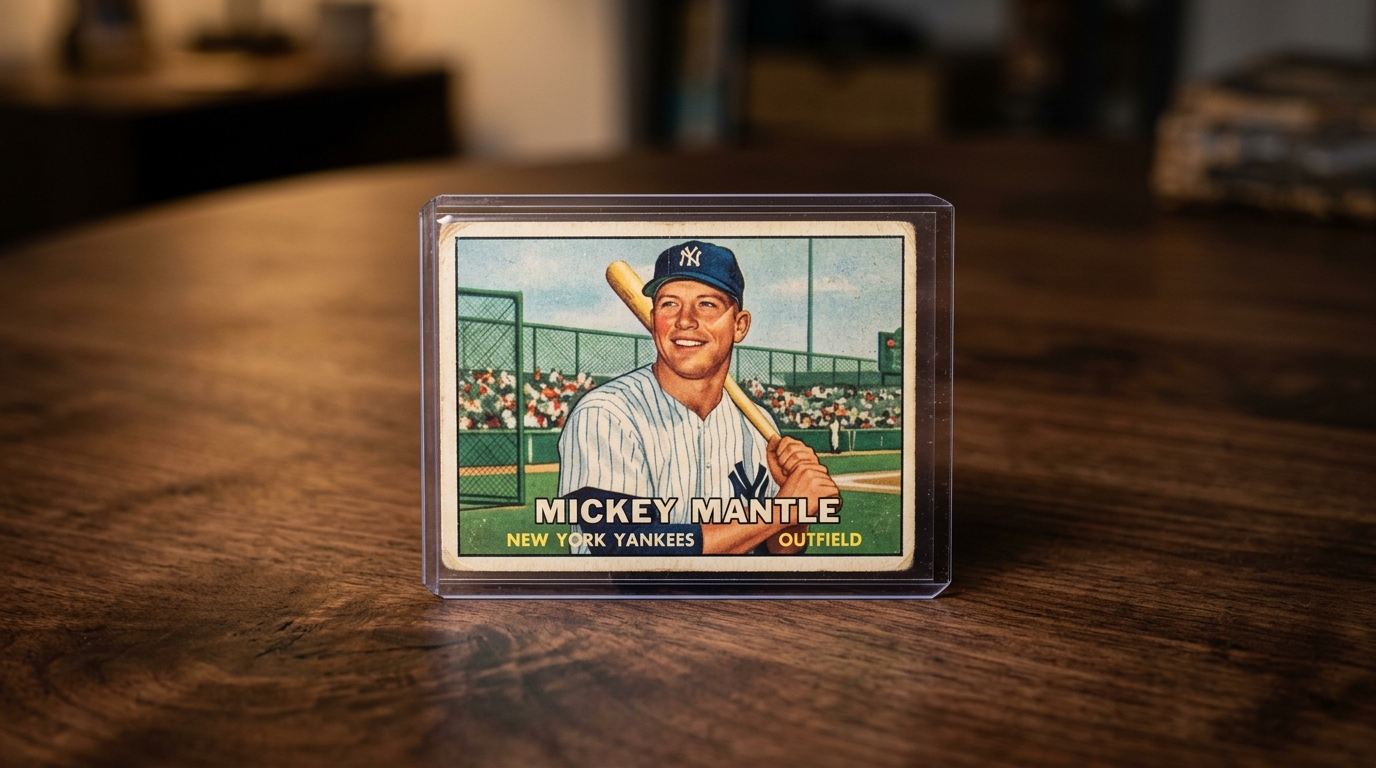
Knowing how to spot a fake sports card is one of the most critical skills any modern collector can develop in today’s booming trading card market. The rising popularity of trading cards has unfortunately led to a massive surge in sophisticated counterfeit sports cards. Scammers frequently target high-value rookie cards, vintage classics, and modern refractors, listing them on peer-to-peer marketplaces at slightly discounted prices to lure in unsuspecting buyers. Whether you are dealing with ungraded vintage legends or modern chromium inserts, knowing how to authenticate a sports card physically is essential to safeguarding your hard-earned money.
Third-party grading services like PSA, BGS, and SGC offer the ultimate peace of mind, but raw cards—meaning ungraded cards—still dominate a significant portion of the transaction volume at local card shows, flea markets, and online groups. Before sending your raw cards in for professional AI card grading, you must ensure they are authentic. In this comprehensive guide, we will break down the physical characteristics, printing technologies, and specialized tests that will help you separate genuine collectibles from fraudulent counterfeits.
Key Takeaway: Counterfeiters struggle to replicate the high-precision printing techniques, paper fiber compositions, and metallic foil finishes used by official manufacturers. Investing in a few inexpensive tools like a 10x jeweler’s loupe, a digital scale, and a UV black light is your best defense.
The Anatomy of a Trading Card: Materials & Construction
To effectively spot a counterfeit, you must first understand how authentic trading cards are manufactured. Official card brands like Topps, Panini, Upper Deck, and Fleer use specialized industrial printing presses and proprietary card stocks.
Card Stock and Composition
Genuine sports cards are rarely printed on a single sheet of cheap paper. Instead, they are typically constructed from multi-layered card stock. Vintage cards (pre-1990) were printed on heavy, dense cardboard pasteboard. If you inspect the edge of a genuine vintage card, you will see a solid, tightly compressed layer of fibers.
Modern cards are even more complex. For instance, Panini’s Optichrome cards (used in Prizm and Donruss Optic) feature a metallic foil layer bonded directly to a thick card core. Acetate cards (like Panini Clear Vision or Topps Tek) are printed on transparent plastic. Fake cards are often printed on standard commercial cardstock or, in worse cases, two thin pieces of paper glued together. These fakes feel flimsy, lack rigidity, and can easily peel apart at the corners.
The Factory Cut
When cards are manufactured, they are printed on massive sheets and then sliced into individual cards using industrial-grade guillotine cutters or high-precision rotary blades. This process leaves clean, sharp, slightly angled edges. Counterfeiters often use handheld paper cutters or stamps, which leave rough, fuzzy, or imperfectly straight edges. Under a magnifying glass, a hand-cut counterfeit will show uneven edges, paper burrs, or crushed cardboard corners where the blade forced the fibers downward.
7 Essential Authentication Checks
Authenticating a card requires a systematic approach. By running through these seven tests, you can analyze every physical dimension of a card to determine its legitimacy.
1. The Weight and Thickness Test (Digital Scale & Caliper)
Card manufacturers print their cards to strict physical specifications. While a single base card might feel like another, their weight and thickness tell a very specific story.
- Weight: Use a high-precision digital scale (accurate to 0.01 grams). A standard modern sports card (such as a Topps Series 1 base card) generally weighs between 1.7 and 1.9 grams. A thicker modern card, such as a Panini Prizm Optichrome card, typically weighs between 3.3 and 3.5 grams. Vintage cards are lighter; a 1986 Fleer Michael Jordan rookie card, for example, consistently weighs between 1.1 and 1.2 grams. If your Jordan rookie weighs 1.5 grams or 0.8 grams, it is almost certainly a fake.
- Thickness: Card thickness is measured in “points” (pt), where 1 pt is equal to 0.001 inches. Standard cards are 20pt to 35pt. Memorabilia and patch cards can range from 55pt to 180pt. Compare the thickness of the suspect card with a known authentic base card from the same set using a digital caliper. Counterfeits printed on custom stock are frequently too thick or too thin.
2. Print Pattern Analysis (The Loupe Test)
This is the single most reliable test you can perform. Factory sports cards are printed using high-end offset lithography presses. In offset printing, color images are broken down into four primary colors: Cyan, Magenta, Yellow, and Key (Black)—commonly known as CMYK. These colors are printed in tiny, precise, overlapping dot patterns called rosette patterns. However, there is a critical rule: black text, logos, and fine borders are printed as solid black ink on a separate pass.
On a genuine card, if you look through a 10x or 30x jeweler’s loupe, the text (like the player’s name or stats on the back) and the crisp black border lines will look completely solid, sharp, and pitch-black. On a counterfeit card (which is usually a digital scan of a real card printed on a consumer or commercial digital printer), the printer treats the entire card as a single image. The printer constructs the black text and borders using a mix of CMYK dots. Under a loupe, the text and borders on a fake card will look fuzzy, pixelated, and surrounded by stray colored dots.
3. Black Light (UV) Test
The UV test is a powerful tool, especially for authenticating vintage cards. Before the late 1940s and early 1950s, paper manufacturers did not use Optical Brightening Agents (OBAs)—synthetic chemicals that make paper look whiter and brighter by reflecting ultraviolet light.
- Vintage Cards (Pre-1950s): If you shine a UV black light on an authentic vintage card (like a 1933 Goudey or T206), the paper will remain dull and absorb the light, or display a natural faint yellow/brown hue. If the card glows a bright, fluorescent blue-white under the UV light, it means it was printed on modern, OBA-treated paper, indicating it is a modern counterfeit or reprint.
- Modern Cards: While modern cards will glow, look for consistency. If you have a suspect card, place it next to a known authentic card from the same set under the UV light. If one glows intensely and the other looks dull, they were printed on different paper stocks, revealing the fake.
4. Hologram, Refractor, and Foil Examination
Many modern sports cards feature complex foil designs, refractors, and holofoil finishes. Panini Prizms, Topps Chromes, and Upper Deck PMGs (Precious Metal Gems) are prime examples.
- Refractor Light Play: On an authentic refractor card, the holographic shine is built into the card stock itself. When you tilt the card under a light source, the rainbow colors glide smoothly across the surface, reflecting underneath the printed ink.
- Fake Foil: Counterfeiters often print onto clear plastic sheets and laminate them over cardboard, or apply a cheap holographic overlay. Under light, a fake refractor’s shine will look flat, static, or appear on top of the player’s image rather than beneath the ink. The color shift will lack the clean gradient transition of the original.
5. Signature Layering (Autographed Cards)
On-card autographs are signed directly by the athlete using an ink marker (typically a Sharpie or paint pen).
- Ink Deposition: Under a jeweler’s loupe, look at the signature at an angle under a light source. The ink of a real signature sits on top of the card’s glossy coating, showing varying thickness, pressure ridges, and slight ink pooling at the points where the pen started and stopped.
- Flat Print: Many fake autographed cards are simply high-resolution scans of real signed cards. Under magnification, the signature on a fake card will be perfectly flat, embedded in the print layer, and will show the same rosette or digital dot pattern as the rest of the card. If you see CMYK dots inside the signature ink, it is a print, not a pen stroke.
6. Typography, Font, and Spacing Details
Counterfeiters usually create their printing plates by scanning an authentic card. During this scanning and re-printing process, fine details are lost.
- Line Bleeding and Thickness: Text fonts on fakes often look slightly thicker or thinner than the original. Letter spacing (kerning) may look compressed, and the copyright symbols (©) or registered trademark symbols (®) may blur into illegible blobs.
- Compare to a Reference: Always keep a cheap common card from the exact same set as a reference. If you are inspecting a high-value rookie card like a 1986 Fleer Michael Jordan, compare the text fonts on the back to a common card from the 1986 Fleer set. The font type, color tone (red/blue ink alignment), and paper texture of the backing must match perfectly.
7. Surface Coating and Smell Test
The physical tactile feedback of a card is a subtle but highly effective indicator of authenticity.
- Surface Coating: Authentic cards have a specific varnish, gloss, or matte finish applied to them during manufacturing. This gives them a smooth, uniform feel. Fakes might feel overly sticky, excessively glossy, or rough like standard printer paper.
- The Smell Test: While it sounds unusual, the smell of a card can reveal its origins. Vintage cards have a distinct, organic, musty smell acquired over decades of storage. Conversely, recently printed counterfeits from overseas operations often emit a strong, synthetic chemical odor—the smell of industrial solvents, fresh toner, or cheap glues.
Spotting Fake Graded Slabs
As the value of graded cards has skyrocketed, counterfeiters have shifted their focus to faking the plastic slabs of professional graders like PSA, BGS, and SGC. Buying a graded card is no longer a 100% guarantee of authenticity unless you verify the slab itself.
graph TD
    A["Inspect Graded Slab"] --> B["Verify Certification Number"]
    A --> C["Check Slab Physical Integrity"]
    A --> D["Examine Label Features"]

    B --> B1["Lookup cert on registry"]
    B --> B2["Compare slab photos with database scan"]

    C --> C1["Look for frosted edges (prying indicators)"]
    C --> C2["Check sonic weld seam consistency"]

    D --> D1["Verify microprinting under loupe"]
    D --> D2["Inspect hologram & UV watermark"]
Physical Slab Integrity
Authentic slabs are sonically welded together at the factory to create a permanent, airtight seal. To swap an authentic card with a fake, scammers will attempt to pry open the slab.
- Frosted Edges: When plastic is bent or pried, it stresses and turns white or “frosted.” Inspect the outer edges of the slab. If you see frosting, cracks, or loose seams, the slab has been tampered with and the card inside may have been swapped.
- The Seam Test: Run your fingernail along the seam where the two halves of the holder meet. It should be smooth and uniform. If you feel rough glue spots or uneven gaps, it indicates a manual reseal.
Label Verification (PSA Slabs)
PSA is the most counterfeited slab brand in the world. Modern PSA labels feature several security elements designed to thwart counterfeiters:
- Microprinting: Under a loupe, inspect the red frame around the PSA label. On authentic modern labels, the bottom red line is made of tiny, repeating text that reads “PSA” over and over. On fakes, this is usually printed as a solid, slightly fuzzy red line.
- Lighthouse Hologram: Modern PSA slabs feature a circular “Lighthouse” logo hologram on the front label. This hologram shifts dynamically under light, displaying the letters “PSA” and the PSA logo in a 3D-like effect. Fakes often have flat, metallic silver stickers that do not shift or display the correct logo patterns.
- UV Watermark: Under a UV light, the back of a genuine PSA label will display a hidden pattern of repeating PSA logos.
- Cert Database Image Matching: Always enter the certification number on the grader’s official website. For most modern and high-value vintage submissions, PSA and BGS display high-resolution scans of the front and back of the card on their registry page. Zoom in on these scans and compare the unique features—such as centering, print spots, or paper fibers—against the card in your hand. If they do not match, you are holding a fake card in a cloned slab.
Vintage vs. Modern Counterfeit Tactics
Counterfeiters adjust their strategies depending on the era of the card they are reproducing. Understanding these differences helps you tailor your inspection.
| Era / Card Type | Typical Counterfeit Methods | Primary Verification Focus |
|---|---|---|
| Vintage (Pre-1980) | Fake aging (tea staining), modern reprint distressing, digital printing on modern cardboard. | UV Black Light test, solid black ink typography check under loupe. |
| 1980s - 1990s Classics | High-end digital scanning and offset reproduction (e.g., 1986 Fleer Jordan, 1989 Upper Deck Griffey). | Rosette print pattern inspection, exact weight check, specific detail verification (e.g., Jordan bullseye). |
| Modern Chrome / Refractors | Layered plastic lamination, fake serial number stamping, flat rainbow overlays. | Light reflection angles, card thickness, engraved serial number depth. |
| Patch / Memorabilia Cards | Swapping plain jersey patches for multi-colored patches (patch doctoring). | Stitching borders under loupe, checking fabric alignment, original card image comparisons. |
Vintage Fraud
Vintage card stock is difficult to replicate because of the aging process. To bypass this, counterfeiters will often take modern reprints (which look pristine) and artificially age them. They do this by soaking the card in tea or coffee to yellow the paper, scuffing the edges with sandpaper, or bending the corners to simulate decades of handling. Always perform the UV Black Light test on vintage cards. A genuine vintage card will not glow, while artificially aged modern cards will fluoresce brightly under the black light.
Patch Doctoring (Modern Cards)
A growing concern in modern collecting is “patch doctoring.” Scammers take an authentic, low-value jersey card (which has a plain, single-color white patch) and carefully cut the card open. They remove the plain patch, insert a premium multi-color patch from a cheap jersey, and reseal the card. To spot a doctored patch, inspect the edges around the patch window under a loupe. Look for:
- Traces of clear glue residue around the window edges.
- Fraying or cutting marks on the inner cardboard border.
- Stitching that does not align with the shape of the window.
- Compare the patch design with other cards of the same player from that specific set. If the patch window looks slightly wider or modified, walk away.
Summary Checklist for Collectors
Before purchasing any high-value raw card, run through this quick checklist:
- Weigh the card: Does it match the standard weight of that specific set and era?
- Loupe the text: Is the black text printed as solid ink, or is it composed of CMYK dots?
- Check the edges: Are they clean and factory-cut, or do they look hand-cut and frayed?
- Verify the refractors: Does the light shift dynamically under the ink?
- Test with UV light (for vintage): Does the card glow bright white, or does it absorb the light?
- Verify slab certs: Does the certification number exist, and do the registry database photos match the card?
Frequently Asked Questions
Can a card scanner app detect counterfeit cards?
A scanner app like CardMint identifies the card model and retrieves live market values, helping you verify if the seller’s description matches the card’s real set data. However, physical inspection remains the gold standard for authenticating high-value cards. Once you are confident that a card is genuine, you can use our sports cards value guide to look up current market pricing and determine if the asking price makes sense.
Is it illegal to sell reprints of sports cards?
Selling official reprints (like Topps Heritage) is completely legal because they feature modern copyright dates and clearly state “Reprint” or “Replica” on the card. However, selling counterfeit cards (unauthorized copies designed to look like the original vintage card to deceive buyers) is illegal fraud. If you want to sell authentic cards, learn how to price sports cards using real transaction history to ensure you get a fair return.
What is the “Bullseye” test on the 1986 Fleer Michael Jordan?
The 1986 Fleer Michael Jordan #57 is one of the most counterfeited cards in history. The “Bullseye” test refers to the Fleer logo in the top right corner of the card front. Inside the yellow arrow, there is a small red and blue target-like circular pattern (the bullseye). On an authentic Jordan card, the lines are sharp and the center contains a perfect white dot. On fakes, the bullseye is often a messy, solid red blob with no white center, or the colors bleed heavily.
What should I do if I buy a fake sports card online?
If you purchase a card on a platform like eBay, Mercari, or TCGPlayer and suspect it is counterfeit, open a return dispute immediately under the platform’s buyer protection policy. Do not alter the card (do not write “counterfeit” on it or test it in a way that damages it), as this may void your buyer protection. Take detailed, high-magnification photos of the fake areas (like the pixelated text under a loupe) to submit as evidence. Always protect your purchases by learning how to price sports cards and buying from reputable sellers with high feedback ratings.
Pre-Grade & Track Values Instantly with CardMint
CardMint is the ultimate all-in-one scanner for sports card and TCG collectors, saving you time and money.
Simply scan the front of your card. Our AI instantly identifies the card details, checks current pricing metrics, and gives you a centering and wear pre-grade report before you submit to PSA/BGS.
